

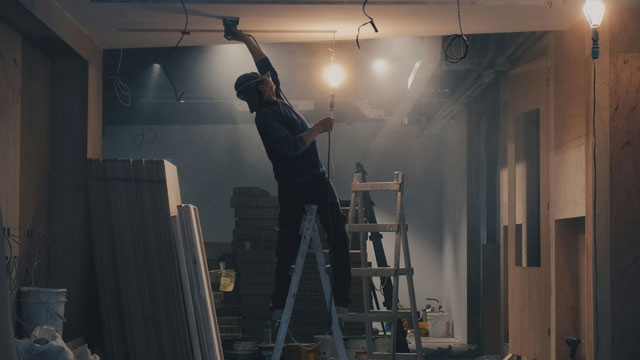
As buildings age, their structural integrity can become compromised due to wear and tear, environmental factors, and evolving safety standards. Structural retrofitting is a process of reinforcing and updating these aging buildings to improve their safety, performance, and lifespan. For older structures, this is not just a luxury but a necessity.
Benefits of Structural Retrofitting:
1. Enhanced Safety: Retrofitting improves the ability of a building to withstand environmental forces like earthquakes, high winds, and heavy loads. Modern retrofitting techniques, such as seismic retrofitting or reinforcing with carbon fiber, offer stronger resistance to forces that older materials may not have been designed to handle.
2. Increased Durability: By updating an old structure with modern materials and methods, retrofitting helps buildings last longer. It reduces the risk of future damage, ensuring that the structure continues to serve its purpose for years to come.
3. Compliance with New Regulations: As building codes evolve, older structures may not meet current safety standards. Retrofitting allows your building to comply with modern regulations without requiring a complete overhaul, saving both time and costs.
In conclusion, structural retrofitting offers peace of mind for property owners, ensuring that their buildings are safe, durable, and compliant with modern regulations. Whether you’re reinforcing columns or updating foundation systems, retrofitting provides a cost-effective solution for prolonging the life of your building
